
 Write a review


 Sign up

The Definitive Guide to Hiring Home Service Pros
A dead water heater, a flickering light, a leaking dishwasher, a roof that needs replacing — every home eventually needs a professional, and the p…
Every fall, the same scene plays out across the country: the first real cold snap arrives, furnaces that slept all summer try to wake up under load, and the phone lines of HVAC companies light up with homeowners who are cold right now. The companies with the best reviews are booked out; the ones who answer are charging emergency rates.
None of that has to happen to you. Heating preparation is a handful of small tasks spread over September, October, and November — most of them cheap, several of them free, and a few best done by a professional. This guide covers the subject end to end: how to understand your heating system, what a real tune-up includes component by component, how to winter-proof the rest of the house, how to protect pipes and water heaters, how to keep your family safe from carbon monoxide, and what to do if the heat fails anyway.
Heating homes is not one technology — it's five, and each one fails and gets serviced differently. Before you book anyone or do anything, identify your system:
| Gas furnace (forced air) | Burns natural gas, heats air through a heat exchanger, blower pushes it through ducts | Dirty filter, failed igniter/flame sensor, cracked heat exchanger, blocked condensate drain |
| Oil furnace | Burns heating oil, same ducted distribution | Old fuel, clogged nozzle, dirty filter, poor draft |
| Boiler + radiators (hydronic) | Heats water, circulates it to radiators/baseboards | Low pressure, air in the loop, failed circulator, expansion tank issues, leaks |
| Heat pump | Moves heat from outside air into the home; reverses in summer | Dirty outdoor coils, refrigerant leaks, defrost cycle faults, backup heat issues |
| Ductless mini-splits | Head units heat individual rooms; no ducts | Clogged filters, drain line freezing, refrigerant loss |
| Electric baseboard / space heaters | Electric resistance heat | Dust buildup on elements (fire risk), failing thermostats, overloaded circuits |
Check the label on the unit or ask the previous owner — knowing the type tells you what to prepare and which professional to hire. If a company's profile on GigoPro lists the exact work you need (furnace tune-up, boiler service, heat pump maintenance), that's your match.
Spreading the work over three months keeps it manageable and gets you ahead of the rush:
| September | Book the professional tune-up (schedules are still open); replace thermostat batteries; test all CO and smoke detectors; order filters so you have spares |
| October | Tune-up visit; walk the house for drafts; weatherstrip doors; clear vents and registers; clean outdoor units; check the water heater |
| November | Change filters; run the heating system weekly; disconnect outdoor hoses and close exterior faucets; keep an eye on heating bills for sudden spikes |
| December | Monthly filter checks; keep outdoor heat pump units snow-free; act on odd noises, weak airflow, or a system that short-cycles — now, not in February |
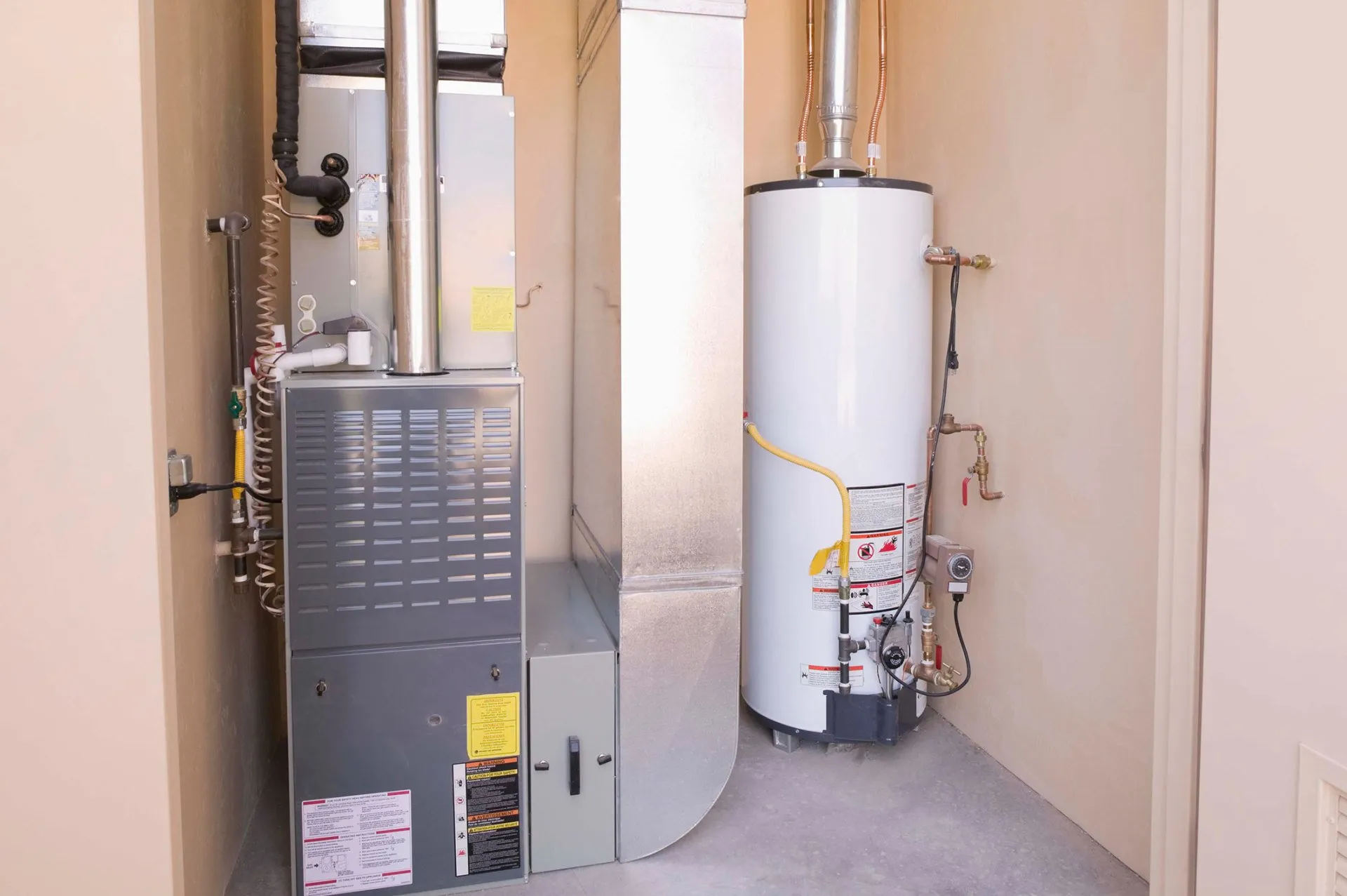
A professional tune-up should inspect and service the whole firing sequence. Here's what's actually being checked, so you can confirm the company isn't just "looking at it":
The filter is both the simplest and most ignored part. A clogged filter starves the furnace of air, causes overheating, short-cycling, weak heat, and higher bills. Replace or clean it every 1–3 months during the heating season — start fall with a fresh one.
The igniter lights the gas; the flame sensor proves the flame is burning and shuts the gas off if it isn't. Both are wear items. If your furnace "tries to start" and shuts down, or you smell a brief gas odor at startup, this is a likely culprit — service it, don't ignore it.
The heat exchanger separates combustion gases from the air you breathe. A crack here is the single most serious furnace fault — it can leak carbon monoxide into the home.
Inspecting it is a professional job and a normal part of every tune-up. If a technician tells you it's cracked, ask to see the evidence and always get a second opinion with a combustion analysis.
The draft inducer pulls combustion gases out through the flue; a blocked or corroded flue can push them back into the house. The tune-up should include a flue inspection and a check that the inducer is clean and balanced.
The blower moves warm air into the ducts. It should be cleaned, lubricated if it has oil ports, and checked for a worn belt or a failing motor bearing — the source of many "squealing furnace" calls.
Loose connections, a failing capacitor, or a dirty contact can cause intermittent operation. A good technician checks and torques connections and tests the capacitor under load.
High-efficiency furnaces produce water that exits through a condensate line. If that line clogs, the furnace shuts down on a safety switch — a classic fall problem after a summer of standing. Ask for the drain line to be checked and flushed.
For oil furnaces, the tune-up should include cleaning the nozzle and burner, replacing the filter, checking ignition electrodes, and a combustion analysis to confirm clean, efficient burning. Old oil in an unused tank can also cause problems — ask about additives if your tank sat low all summer.
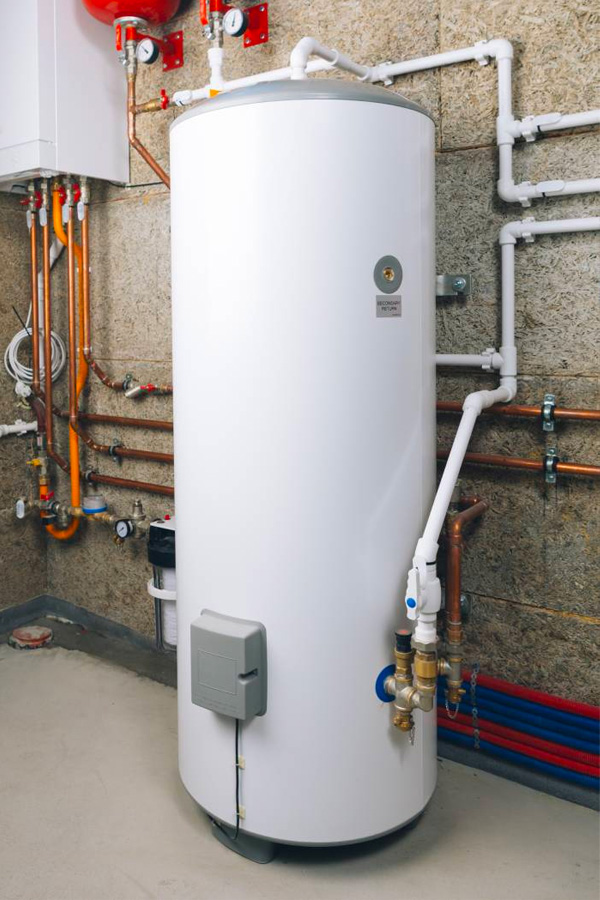
If you have radiators or baseboard heating, your checklist is different:
Cold system pressure is typically 12–15 psi. Low pressure means no heat; high pressure means a faulty fill valve or expansion issues. Your gauge tells the story — learn what it reads in fall.
Air trapped in the loops blocks hot water. Bleed each radiator until water flows steadily — a short yearly task that fixes cold spots. If air keeps coming back, you likely have a leak or a failing air separator; call a pro.
The expansion tank absorbs water expansion as it heats. A waterlogged expansion tank can push water out the relief valve. If you see dripping from the pressure relief valve, that's the symptom.
The circulator moves hot water. It should be quiet and turn freely; a stuck circulator is the most common "no heat" cause in hydronic homes.
Walk every radiator and pipe you can see. Small leaks in fall become big leaks when the system pressurizes in winter. Note any rust or water stains near joints.
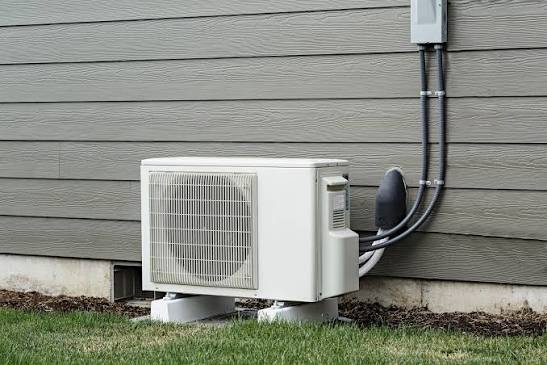
Heat pumps run all year, so "winter prep" means getting them ready to work hard in cold while they're still running well in fall:
Leaves and debris around the outdoor coil cut airflow and efficiency. Clear the unit, and where accessible, rinse the coil carefully. Keep plants and snow away from the unit through winter.
Mini-split filters clog fast with dust. Clean them monthly; a clogged filter makes the blower work harder and reduces both heat and cool output.
In cold weather, heat pumps frost over and periodically run a defrost cycle. If you see ice building up and not melting, or the system "thinks" it's defrosting forever, the defrost board or sensors need service. Diagnose it in fall, not in a January freeze.
Many heat pumps have electric resistance backup for extremes. Confirm the backup comes on at the right outdoor temperature and that the thermostat setting controls it correctly — surprise backup usage is a common reason winter electric bills spike.
Melted frost produces water that must drain away. A frozen or clogged drain line is a recurring winter failure — clean the line and make sure it's pitched and not blocked by debris or ice.
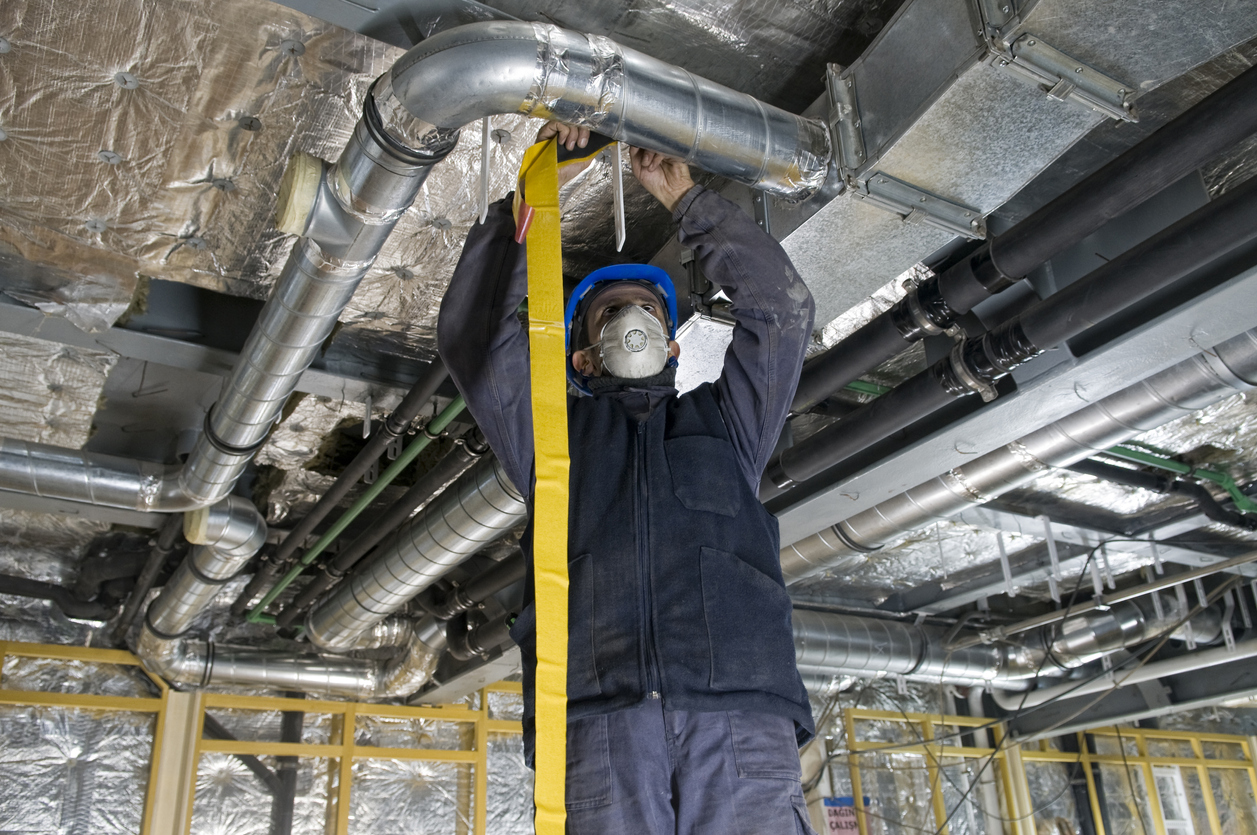
Your ducts carry every degree of warm air to every room. Fall is the season to care about them:
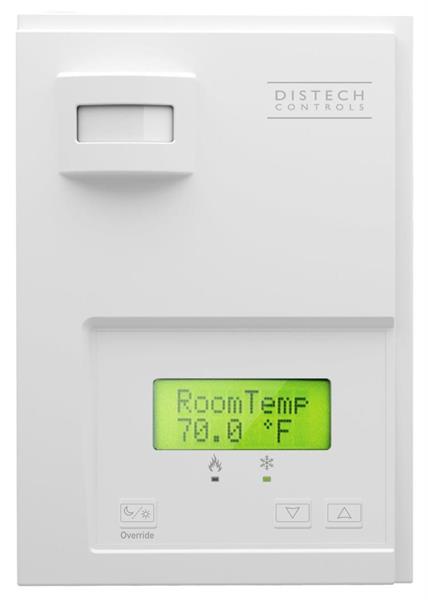
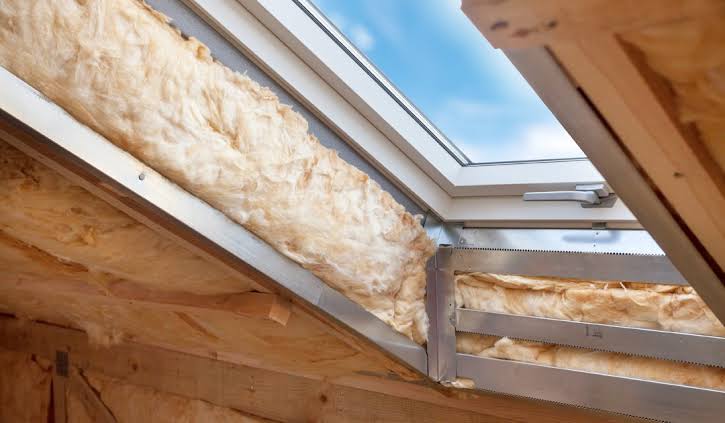
Heating prep isn't only about the furnace — it's about keeping the heat you pay for:
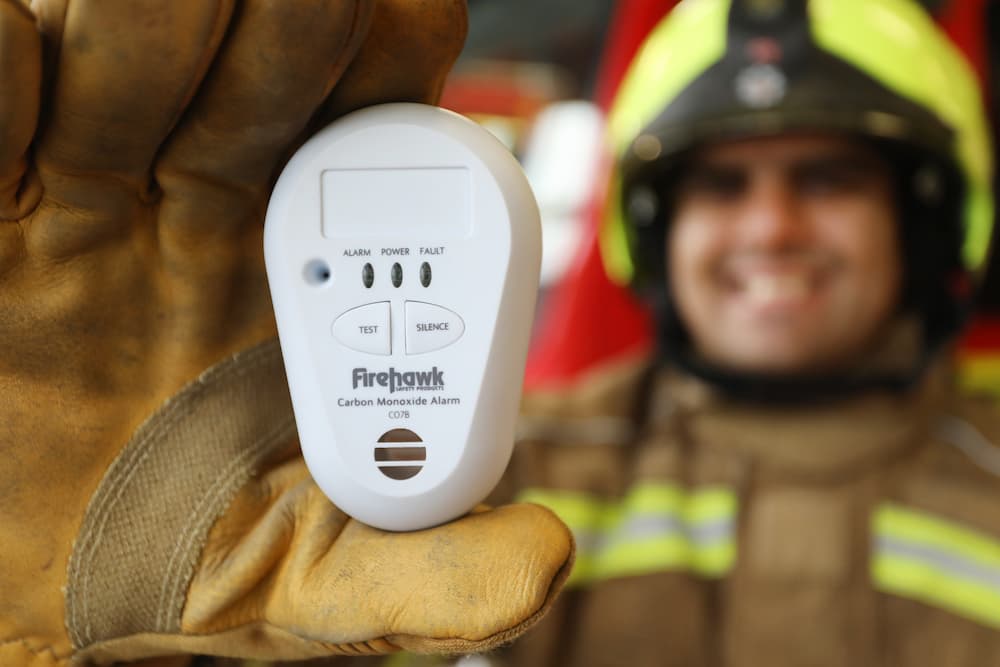
This section is not optional. Heating season is when CO incidents happen — that's why furnace failures combine with winter weather:
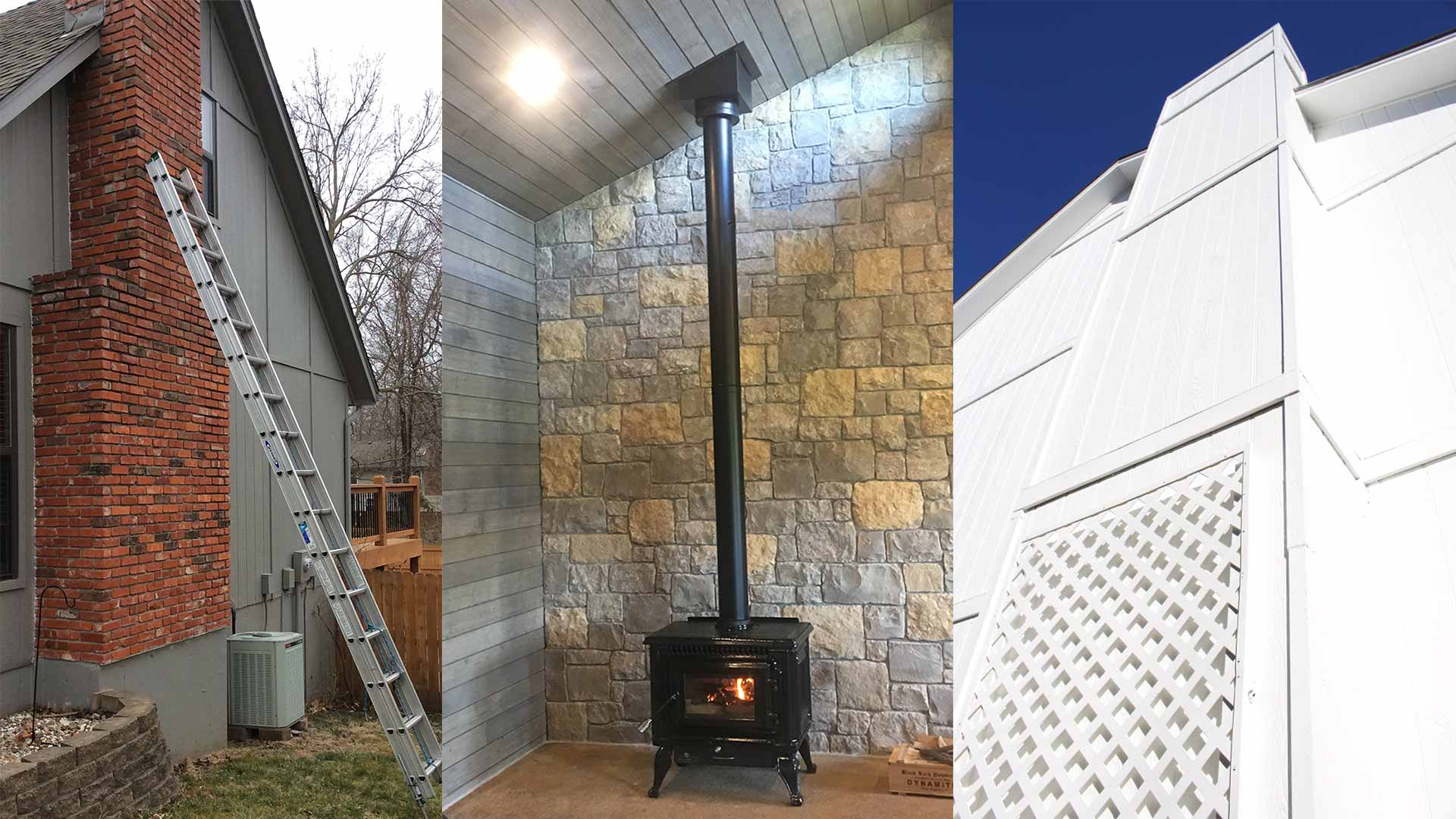
If you burn wood or have a gas fireplace:
Winter pushes water heaters harder:
Frozen pipes burst — thousands of gallons per hour, with damage measured in the tens of thousands. Most of it is preventable:
Even with perfect prep, systems fail. Write this plan down and share it with the household:
| Annual furnace/boiler tune-up | $80–200 | No (professional) |
| Heat pump service visit | $80–250 | No (professional) |
| Filter (2–3 pack) | $15–60 | Yes |
| CO detector | $20–60 | Yes |
| Weatherstripping/doorset | $10–50 | Yes |
| Chimney inspection + clean | $100–300+ | No (certified sweep) |
| Pipe wrap for exposed lines | $10–40 | Yes |
| Energy audit (if subsidized) | $0–500 | Hybrid |
*National estimates, 2026; verify in your region. Booking in September–October instead of November typically means better availability, the technician you want, and no emergency markup. See HVAC in Houston and Los Angeles.
At least once a year, ideally before each heating season. Systems that run year-round (heat pumps), older units, and homes with pets or allergies often benefit from twice-yearly service.
Yes. "Works fine in September" is not the same as "safe and efficient through February." Tune-ups catch heat exchanger cracks, flue blockages, and flame sensor wear — issues that matter long before they become comfort problems. They also keep warranties valid on newer equipment.
A thorough one includes: filter, burners, igniter, flame sensor, heat exchanger inspection, draft inducer and flue, blower and belt, electrical connections, capacitor test, thermostat check, condensate drain (high-efficiency units), and — for oil units — nozzle, electrodes, and combustion analysis. Confirm the scope in writing before you book.
Typically $80–200 for a standard furnace or boiler service in the US, depending on region and company. Heat pump and oil-furnace visits can run higher. Getting written quotes from two or three companies is the best way to benchmark your area.
You can't tell visually — that's what professional inspection and combustion analysis are for. Signs that warrant urgent checking include a persistent smell of burning dust, soot around the furnace, or CO detector alarms. If a technician reports a crack, ask to see the diagnosis and get a second opinion before discussing a replacement.
Never turn it fully off — set a minimum temperature (typically around 55–60°F) to prevent freezing pipes. Consider shutting off and draining water if you'll be gone a week or more in cold climates.
That's your comfort and budget call — a common starting point is 68°F day / lower at night, with each degree of setback saving fuel. The important thing is never leaving the house at "off" in freezing weather.
Usually one of: electric backup heat kicking in on a heat pump, resistive heat in a system that's supposed to be efficient, a clogged filter making everything work harder, or thermostat schedules being ignored. A technician can tell you which — and no, higher rates alone don't explain a big jump.
Check it monthly; replace it when dirty—that may be every month (pets, dust, construction nearby) or every three months (clean homes with low static). The filter is the cheapest, most consequential component you can manage yourself.
September and October. November is when demand spikes and emergency rates begin; December is the worst case. Companies on GigoPro show their availability and response times — book the one that fits before the rush.
Browse verified HVAC companies on GigoPro, compare tune-up offers, and book your fall service while schedules are still open.
A dead water heater, a flickering light, a leaking dishwasher, a roof that needs replacing — every home eventually needs a professional, and the p…

Every company in the GigoPro directory started the same way: a free listing. The difference between a profile that sits quietly and one that wins …
"How much does AC repair cost?" is the most-asked question in home comfort — and the honest answer is genuinely complicated. The price of a repair…
Comments
0 commentsTo add a comment you need to sign in.
No comments yet. Be the first!