
 Write a review


 Sign up

The Complete Fall Heating Preparation Guide
Every fall, the same scene plays out across the country: the first real cold snap arrives, furnaces that slept all summer try to wake up under loa…
"How much does AC repair cost?" is the most-asked question in home comfort — and the honest answer is genuinely complicated. The price of a repair depends on the type of system, the specific fault, the brand and age of the equipment, refrigerant politics, the region, the season, the time of day, and the company's pricing model. A $120 capacitor swap and a $3,000 compressor replacement are both "AC repairs."
This guide breaks the whole subject down so you can never be overcharged again: how the different system types change pricing, the complete price table for every common repair, how labor and parts are priced, refrigerant economics, the repair-vs-replace math, regional differences, financing and rebates, and a detailed tour of the common scams — plus exactly how to get accurate quotes.

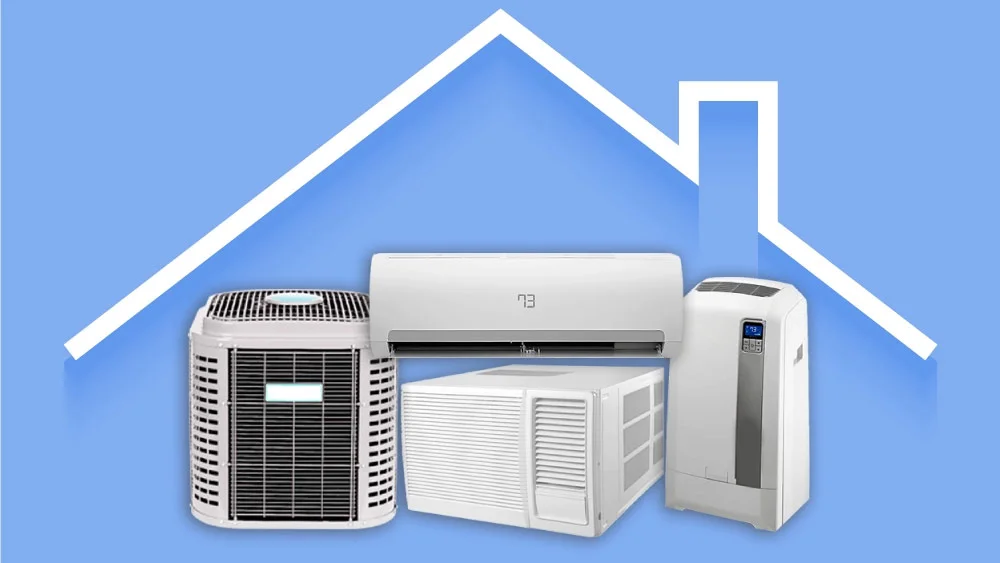
| Central AC | Outdoor condenser + indoor coil + ductwork | Most common; most expensive parts (compressor, both coils) belong to this type |
| Heat pump | A central AC that also heats | Same parts as central AC, plus reversing valve and defrost components |
| Ductless mini-split | Outdoor unit + wall-mounted heads, no ducts | Per-head repair; refrigerant and board failures most common |
| Window / portable | All-in-one self-contained units | Cheapest repairs — and often smarter to replace than repair |
Before calling anyone, find the model and serial numbers (on the outside unit and on the indoor unit for central systems). This one step makes every conversation — booking, quoting, diagnosing — faster and more accurate.
| Diagnostic / service call | $75–150 | Trip + diagnosis; reputable companies credit it toward the repair |
| Filter replacement | $15–60 | Often all that weak cooling needs — ask before paying for more |
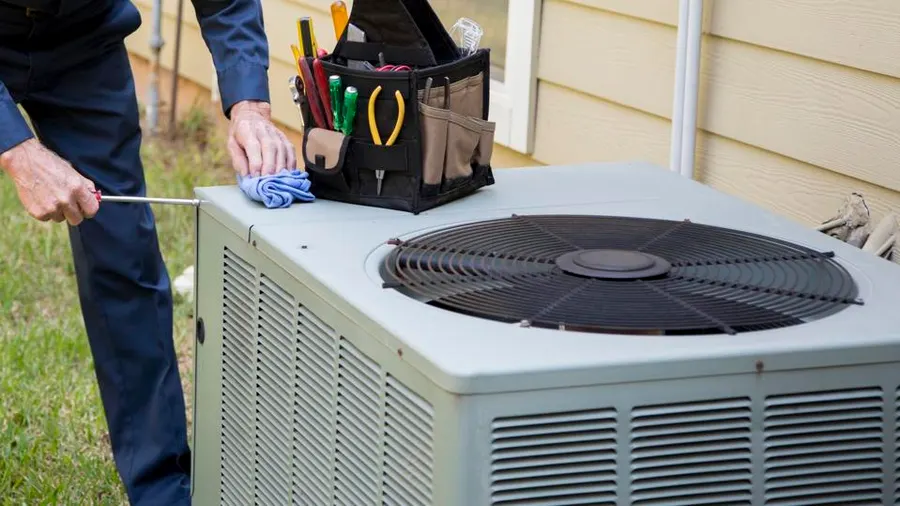
| Condenser coil cleaning | $100–250 | Dirty outdoor coils force harder work and higher bills |
| Capacitor (start/run) | $150–450 | Extremely common "won't start" failure; cheap part, standard labor |
| Contactor | $150–400 | Switching part that fails after years of arcing |
| Blower motor (indoor) | $300–700 | Variable-speed motors cost more than single-speed |
| Outdoor fan motor | $250–650 | Loud/barely spinning outdoor unit is usually here |
| Thermostat replacement | $150–500 | Smart thermostats + new wiring install run higher |
| Condensate drain clearing | $75–200 | Clogged drain = water leaks and system shutdown |
| Refrigerant recharge (small leak) | $200–550 | Topping off without finding the leak = money down the drain |
| Leak detection + repair + recharge | $400–1,500 | Finding the leak properly is the real repair |
| Expansion valve (TXV) | $400–900 | Metering device failure affects cooling performance |
| Control board replacement | $400–1,000 | 'Brain' failures; diagnostic labor to confirm the actual board |
| Evaporator coil replacement | $1,000–2,200 | Indoor coil, labor-heavy, refrigerant handling included |
| Condenser coil replacement | $1,200–2,500 | Outdoor coil; brand and size drive the price |
| Compressor replacement | $1,500–3,000+ | The 'is it worth it?' decision point for most systems |
| Refrigerant line set replacement | $800–1,800 | Corroded or damaged copper lines |
| Duct repair/sealing (per issue) | $150–800 | Airflow problems turned out to be ducts, not the unit |
| Full system replacement (installed) | $5,000–13,000+ | Ducted central system, typical home; higher for premium efficiency |
| Mini-split head replacement (per head) | $800–2,500 | Repairing vs replacing a failing head unit is a real decision |
*National estimates, 2026. Your exact quote depends on brand, region, and labor rates — get written quotes for your system.
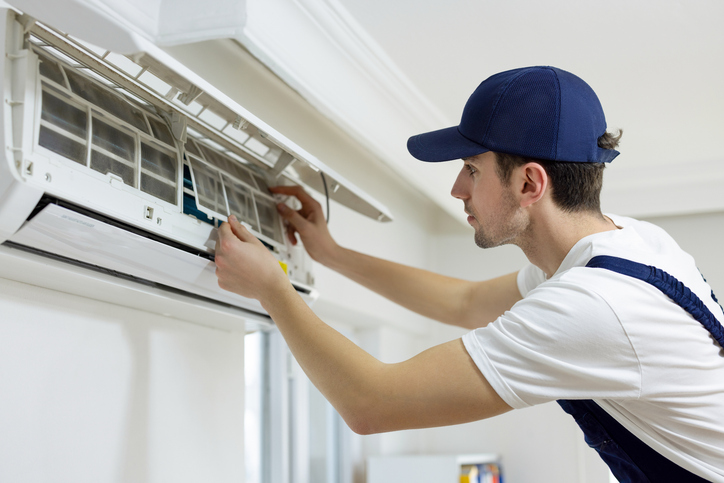
Nearly every company charges a trip/diagnostic fee to cover the time to your door, the diagnosis, and the quote. The single question that separates fair companies from others: is the diagnostic fee credited toward the repair if I proceed? Ask it on the phone, before anyone drives out.
Many residential HVAC companies quote flat rates per job (a "capacitor replacement" price that includes parts and labor) — predictable for you, and it rewards an efficient technician. Others charge hourly labor + parts. Neither is wrong; what matters is a written quote before work starts and a clear statement of the local labor rate if you're billed by the hour.
Original (OEM) parts match the manufacturer's spec, usually carry a warranty, and cost more. Aftermarket parts are cheaper and vary in quality. Ask which you're being quoted — and what warranty covers both parts and labor. A "cheap quote" on generic parts can be the most expensive number on the page when it fails after 90 days.
Most of an AC repair bill is skilled labor: a compressor or coil swap is 4–8 hours of careful work on a live refrigerant system. Nationally, HVAC labor typically runs from about $75 to $150+ per hour, depending on region; complex repairs are quoted as a job, not a clock.
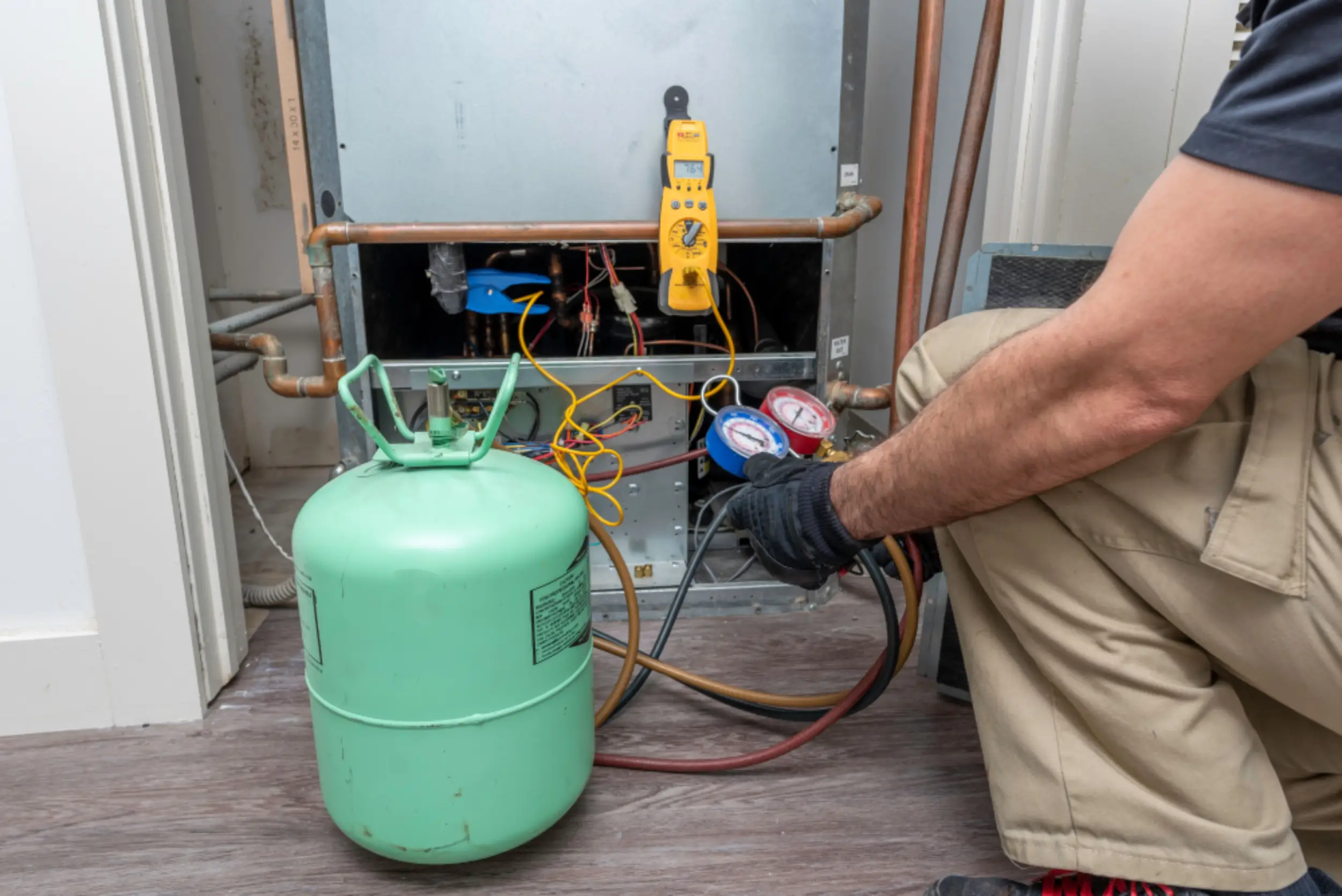
Refrigerant deserves its own section because it's where both legitimate costs and the classic scams live:
Demand peaks with the first heatwave and first "no cool" calls of summer. Off-season (spring tune-ups, fall check-ups) gets you better rates and availability — which is exactly why maintenance is a money move, not a luxury.
Emergency and after-hours premiums are real and legitimate — technicians working at 9 p.m. charge for it. Check a company's after-hours policy before you need it; companies with honest, published policies usually honor them.
Labor rates track local cost of living; hot climates also see the most competition (better prices) and the most demand (worse availability). The right way to benchmark your zip code is two or three written quotes for the same scope — not national averages. See HVAC in Houston and Phoenix.
Some AC maintenance is legitimately DIY: replacing filters, clearing debris from the outdoor unit, keeping vents open, hosing off a cleanable outdoor coil (with power off). That's the safe line. Refrigerant handling, electrical work, and compressor/coil replacement are licensed professional work — refrigerant is regulated by federal law, and DIY electrical on high-voltage components is how people get hurt. Budgets on this line usually end up costing more.
Yes — diagnosis takes skilled time, and a phone call can't let someone see the system. What's not okay is a fee with no credit: reputable companies credit it toward approved repairs, so ask on the phone before anyone drives out.
In rough order: clogged or dirty filter, dirty condenser coils, a failed capacitor, low refrigerant from a leak, a failing blower or compressor. The first three are cheap-to-mid repairs; only a proper diagnosis tells you which one you have — don't pay for a recharge before that.
Refrigerants are regulated substances, and the industry has been phasing to newer blends. Older refrigerants (like R-22) are scarce and costly. That's a real cost — but a recharge without a leak repair means spending it twice.
Central systems typically last 12–15 years with regular maintenance; mini-splits are often similar. After the expected lifespan, recurring repairs usually make replacement the better call.
It's genuinely one of the most common — capacitors fail with heat and age and cost far less than a system. It's also one of the most upsold repairs. A fair quote is one where the diagnosis (failed capacitor, tested) matches the repair; a suspicious one is where the capacitor "was bad" but somehow the coil and compressor "also need work."
Run the framework from section 5: repair cost vs about half a new system, recurrence, refrigerant type, and efficiency. A 10-year-old unit with a one-time $300 fix is usually a repair; the same unit needing a compressor is usually a replacement conversation.
Itemized lines for labor, parts (with brand/OEM status), refrigerant if applicable, diagnostic fee and whether it's credited, permit costs if any, and warranty terms on parts and labor. One line with a number and nothing else isn't an estimate.
Demand pricing is real — peak-season and after-hours calls carry premiums. Off-season maintenance gets better rates and availability, which is the strongest argument for spring and fall service.
For a typical ducted central system installed, roughly $5,000–13,000+ depending on size, efficiency, and region; add ductwork repairs if the old duct isn't up to the new unit. Get three written quotes and ask each company about utility and federal incentives at your address before comparing net costs.
No. Refrigerant handling is federally regulated in the US and requires certification, gauges, and the right refrigerant for your system — and adding refrigerant to a leaking system is a waste of money even done professionally. This is licensed work.
Find verified AC repair companies on GigoPro, compare ratings and response times, and get written estimates from several pros before your next repair.
Every fall, the same scene plays out across the country: the first real cold snap arrives, furnaces that slept all summer try to wake up under loa…

A dead water heater, a flickering light, a leaking dishwasher, a roof that needs replacing — every home eventually needs a professional, and the p…

Every company in the GigoPro directory started the same way: a free listing. The difference between a profile that sits quietly and one that wins …
Comments
0 commentsTo add a comment you need to sign in.
No comments yet. Be the first!