Repair or Replace Your Appliance? The Decision Guide That Actually Saves Money

The most expensive sentence in appliance ownership is "while you're here, just replace it." The second most expensive is "keep repairing it" on a machine that crossed the economic line two visits ago. Homeowners get pushed both ways — by techs who sell new units, by warranties with exclusions, by sticker shock on boards and compressors, and by attachment to a fridge that still "looks fine."

This guide is the decision framework: age and failure-type rules, the 50% test with real numbers, appliance-by-appliance breakpoints, luxury and built-in exceptions, energy math, warranty traps, and how to use a fair diagnosis (not a sales pitch) to choose. Use it with the cost tables in The Complete Guide to Appliance Repair Costs and the machine-specific refrigerator and laundry guides.

Author: Support GigoPro
Publication date: September, 2026
Reading time: 8 min read
Repair or Replace Your Appliance? The Decision Guide That Actually Saves Money

1. The five-factor framework (use all five, not just one)

  1. Age vs expected life. Where is this machine on its curve?
  2. Repair cost vs replacement cost (installed, comparable capacity — not a dream upgrade).
  3. Failure type. Consumable/mid-ticket part vs end-of-life system failure.
  4. Recurrence. First fault in years, or the third invoice in eighteen months?
  5. Context. Warranty remaining, built-in cabinetry, matched laundry pair, food at risk, rental timeline, parts availability.

One factor alone lies. A cheap board on a 14-year-old fridge can still be wrong if sealed-system death is next; a $900 repair on a 3-year-old built-in Sub-Zero can be obviously right.

2. The 50% rule — and when to tighten it to 33%

Standard rule: if the quoted repair exceeds about half the cost of a comparable new appliance (delivered/installed where installation matters), replacement usually wins.

Tighten to ~⅓ when any of these are true:

  • Machine is past expected lifespan.
  • You've already paid for major repairs in the last 2–3 years.
  • The failure is sealed-system, transmission, or tub bearings — failures that signal systemic wear.
  • Parts are on extended backorder and you're living out of coolers or a laundromat.

Loosen the rule when:

  • Replacement triggers cabinetry, panel, or plumbing/electrical rework (built-ins, integrated dishwashers).
  • A long manufacturer sealed-system warranty still covers the expensive part (labor may still be yours).
  • The unit is luxury/pro-range and a repair restores years of serviceable life at less than panel-out replacement.

3. Expected lifespan baselines (mass-market, maintained)

Refrigerator / freezer10–15 years
Washer10–14 years
Dryer10–15 years
Dishwasher7–12 years
Range / oven13–18 years
Microwave (countertop)7–10 years — often replace, not repair
Microwave (over-range / built-in)Repair more often worth it (install cost)
Vacuum / small appliancesRepair only premium tools; commodity units replace
Built-in luxury refrigerationOften 15–20+ with proper service

These are planning numbers, not warranties. Abuse, hard water, bad dryer vents, and skipped coil cleaning shorten them.

4. Breakpoints by appliance

Refrigerator

  • Repair: relays, fans, gaskets, defrost parts, icemaker modules, thermistors — even on older units if the cabinet and compressor are healthy.
  • Replace conversation: sealed-system (compressor/leak) past ~10–12 years; repeated board failures; rusted cabinets; models with no parts support.
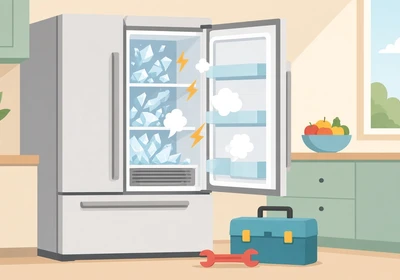
  • Food math: same-day repair can beat replacement lead times when you're protecting a full fridge — but don't let urgency push you into a sealed-system money pit. Coolers buy decision time.

Washer

  • Repair: pumps, locks, lid switches, belts, couplers, actuators.
  • Replace: transmission/gearcase on older top-loads; bearing/tub jobs that approach half of a new HE washer; chronic electronics on orphaned brands.

Dryer

  • Repair: elements, igniters, fuses (with vent correction), rollers/belts — excellent repair candidates well into old age if the cabinet is sound.
  • Replace: cracked drums, obsolete gas valves with no parts, stacked motor + control failures on cheap units.

Dishwasher

  • Mid-ticket pumps and valves: repair if under ~8–10 years.
  • Chronic leaks into cabinets, rusted tubs, or control + pump together on budget units: replace before you also pay for cabinetry repairs.

Range / oven / cooktop

  • Elements, igniters, infinite switches: repair.
  • Multiple failed surface switches + ERC on an aging coil range: sometimes the money equals a new freestanding unit — compare.
  • Pro ranges (Wolf, Viking): repair bias is stronger; find brand-competent techs.

Small appliances & vacuums

  • KitchenAid stand mixers, high-end vacuums, commercial-style tools: repair via specialty shops (including vacuum and electric-motor shops in the Appliances category).
  • $30 blenders and box-store stick vacs: replace.

5. Failure type cheatsheet

Wear part / accessible (belt, gasket, element, pump, lock)Bias: repair
Control board (single event, younger machine)Bias: repair if under 50% test
Sealed system / compressorBias: replace on older mass-market; case-by-case on warranty/luxury
Transmission / tub bearingsBias: replace on mid/old laundry
Recurring different failuresBias: replace — pattern matters more than this month's part
Cosmetic onlyDon't replace for dents; do replace for rust that leaks

6. Luxury, built-in, and "the cabinet is the cost"

Integrated refrigerators, panel-ready dishwashers, and pro ranges break spreadsheet logic:

  • Replacement may mean millwork, panels, water-line reroutes, or code updates.
  • OEM parts and factory-authorized labor cost more — and are still often cheaper than ripping out a kitchen for a $2,000 commodity fridge that doesn't fit.
  • Always get a tech who lists your brand. A misdiagnosis on a sealed Sub-Zero is a five-figure mistake.

7. Energy savings: real, but usually not the whole case

  • Refrigerators: jumping from a 2005 unit to a new ENERGY STAR model can save meaningful dollars per year — run your utility rate × estimated kWh difference. Rarely enough alone to justify replacing a working 8-year-old fridge.
  • Washers: HE machines save water and energy vs ancient top-loads; stronger case when the old unit already needs a big repair.
  • Dryers: heat-pump dryers save energy but cost more upfront; venting/install constraints matter.
  • Don't accept "you'll save it in energy in two years" without numbers. Ask for the estimate in kWh or therms, not vibes.

8. Warranty and home-warranty traps

  • If the manufacturer still covers the failed part, repair — through authorized service when required.
  • Home warranties often steer you to replace/repair decisions that fit their cap, not your optimum. Get an independent diagnosis when the stakes are high.
  • "Covered" that still means a high service fee + partial coverage on sealed systems is not free. Read the schedule of allowances.
  • Retailer extended warranties: sometimes worthwhile on leakage-prone categories (fridge sealed system, OLED TVs — different world); often weak on laundry. Read exclusions for negligence (dryer vents!) before buying.

9. A clean decision process you can run same day

  1. Stabilize (food to coolers, water shutoff, dryer unplugged if burning smell).
  2. Get one proper diagnosis with model number — written finding, not a phone guess.
  3. Price the repair itemized (parts OEM?, labor, warranty on the work).
  4. Price replacement — comparable capacity, delivery, haul-away, waterline/cord, permits if any. For built-ins, include panel/cabinetry reality.
  5. Apply 50% / 33% rule with age and recurrence.
  6. Check parts lead time. A "repair" that strands you three weeks may lose to a in-stock replacement.
  7. Decide once. Don't approve a partial repair as a stall while you secretly plan to replace next month — you pay twice.

10. Sales pressure vs honest advice

  • Honest tech: shows the failed part/test reading, quotes repair and mentions replace as an option with rough math.
  • Sales funnel: free inspection → "compressor is shot" with no gauges → same-day close on a floor model.
  • Your move: ask what tests proved the diagnosis; get a second opinion on any sealed-system or transmission quote over a few hundred dollars.
  • Directory profiles with recent, specific reviews ("fixed the evaporator fan, fridge cold again") beat generic five-star fluff.

Frequently asked questions

Is the 50% rule still valid in 2026?

Yes as a starting heuristic. Adjust for install complexity, luxury brands, and remaining warranty. It's a brake on emotion, not a law of physics.

My tech says repair now, but replace within a year. What do I do?

Ask why. If they mean "this board will die next," that's speculation unless there's evidence of cascading failures. If they mean "the cabinet is rusting and the sealed system is marginal," weigh replacing once.

Should I replace both washer and dryer if only one fails?

Only if the survivor is near end-of-life or you need matched stack dimensions. Otherwise repair the failed unit — forced pairs are a retail habit, not engineering.

What if parts are discontinued?

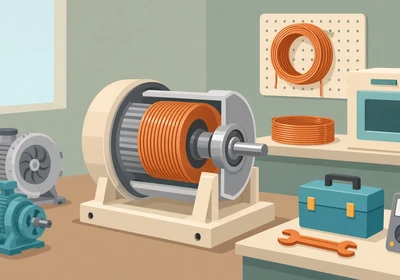
That's a replace signal for most commodity appliances. Specialty motor shops can sometimes rewind motors; luxury channels may still source OEM longer — ask before you scrap.

Is repairing bad for the environment vs recycling?

Extending a working machine usually beats manufacturing a new one when the repair is modest. Dumping a repairable 5-year-old fridge because a relay failed is waste. Haul-away recycling on a true end-of-life unit is the right close.

How do I avoid paying for a repair the day before I replace?

Run this framework before authorizing work over ~$300. A diagnostic fee that tells you "replace" is money well spent; a sequence of hopeful part-swaps is not.

Who should I call for an honest diagnosis?

An independent or brand-authorized technician who bills diagnosis with credit toward repair — not a replacement-only sales team. Start with verified appliance pros on GigoPro who list your machine type and brand.

Ready to choose with numbers instead of pressure? Compare appliance repair specialists on GigoPro, get a written diagnosis, then apply the 50% rule against a real replacement quote — not a sales floor panic.

Related articles

Comments

0 comments

No comments yet. Be the first!